Waterway patrols
Officers patrol waterways as part of preventative policing and public-safety activity.
United Kingdom Police Service
Marine Police Units provide specialist policing on and around waterways, helping protect communities, vessels, passengers and the wider maritime environment.
Specialist officers who bring policing expertise to rivers, canals, ports, lakes and coastal waters.
Marine Police Units are specialist teams responsible for policing waterways and supporting the wider police service in maritime environments. Their work can cover a wide range of incidents and responsibilities, including responding to reports on the water, supporting searches, assisting other emergency services and helping maintain safety around busy waterways. Marine officers may work from specialist vessels and alongside colleagues from other policing and emergency-service teams. Their environment can be very different from conventional land-based policing, requiring officers to understand the particular challenges associated with working around water. As well as responding to incidents, marine officers can contribute to preventative policing, community engagement and the protection of people who use waterways for work, travel, recreation and leisure. The role combines traditional policing responsibilities with specialist knowledge of the maritime environment.
Marine Police Units operate in environments where ordinary policing methods may not always be suitable. Officers use specialist vessels and maritime skills to support public safety and policing operations on waterways. They can work alongside land-based officers and other emergency services, helping provide a coordinated response when incidents occur on or around the water.
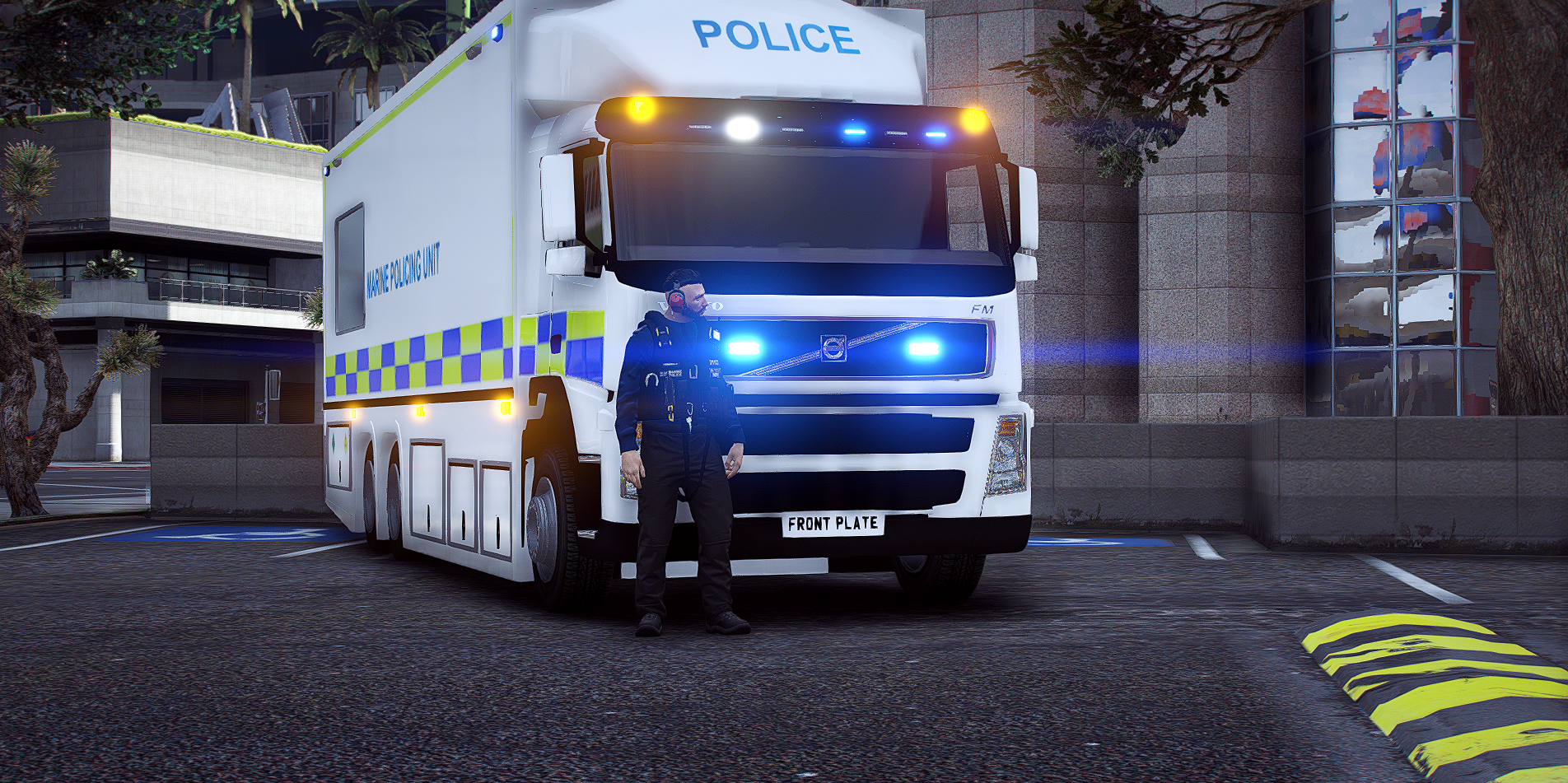
Marine policing encompasses a broad range of specialist responsibilities.
Officers patrol waterways as part of preventative policing and public-safety activity.
Marine officers can respond to incidents occurring on or around waterways and provide specialist assistance to other police teams.
Specialist marine resources can support searches for people or property in aquatic environments.
Officers help promote safe use of waterways and respond to situations where people may be at risk.
Marine teams contribute to preventing and investigating crime connected with waterways, vessels and waterfront areas.
Marine officers may work with other police teams, coastguard services, fire and rescue services, ambulance services and maritime organisations.
Marine officers receive additional skills and training relevant to policing around water.
Specialist marine resources may form part of an emergency response when incidents occur on waterways.
Marine policing often involves cooperation between different emergency and maritime organisations.
Marine policing can cover rivers, canals, lakes, ports, harbours and coastal areas depending on the policing organisation.
Marine policing combines conventional police responsibilities with specialist maritime skills. It can be a demanding and varied area of policing for officers interested in working in a water-based environment.
Marine policing arrangements differ between police organisations and locations. For information about local services, recruitment or specialist policing opportunities, consult the relevant police force or official maritime organisation.
No news has been published yet.
Commissioner
GX01 Collar Number 8928
Deputy Commissioner
GX02 Collar Number 6683
Assistant Commissioner
GX03 Collar Number 4190
Chief Superintendent
S1 Collar Number 8557
Superintendent
S2 Collar Number 5876
Chief Inspector
S3 Collar Number 2546


