Search support
Police dogs can assist officers when searching for people, property or other relevant items.
United Kingdom Police Service
Dog Support Units provide specially trained police dogs and handlers to support policing operations, public safety, searches and investigations.
Specialist police dogs and trained handlers working together to support policing.
A Dog Support Unit (DSU) is a specialist police team responsible for providing trained police dogs and handlers to support the wider police service. Police dogs can perform specialist tasks that complement the work of officers on the ground. Depending on their training, dogs may assist with searches, locating people, detecting specific substances or materials, and supporting police operations. The relationship between a police dog and its handler is an important part of the unit. Handlers are responsible for the dog's welfare, training, daily care and appropriate deployment. Training is an ongoing part of life within a Dog Support Unit. Dogs and handlers must maintain their skills and demonstrate that they can perform their respective roles to the required professional standard. Dog Support Units can work with response officers, investigative teams, specialist departments and other emergency services. Their specialist capabilities can be particularly useful when police need to search areas or locate people and items. The exact organisation and responsibilities of a DSU can vary between individual police forces.
Police dog work is based on a close working relationship between the handler and the dog. Handlers understand their dog's behaviour, maintain its training and take responsibility for its welfare. Working together, the pair can provide specialist support to other officers during searches, incidents and policing operations.
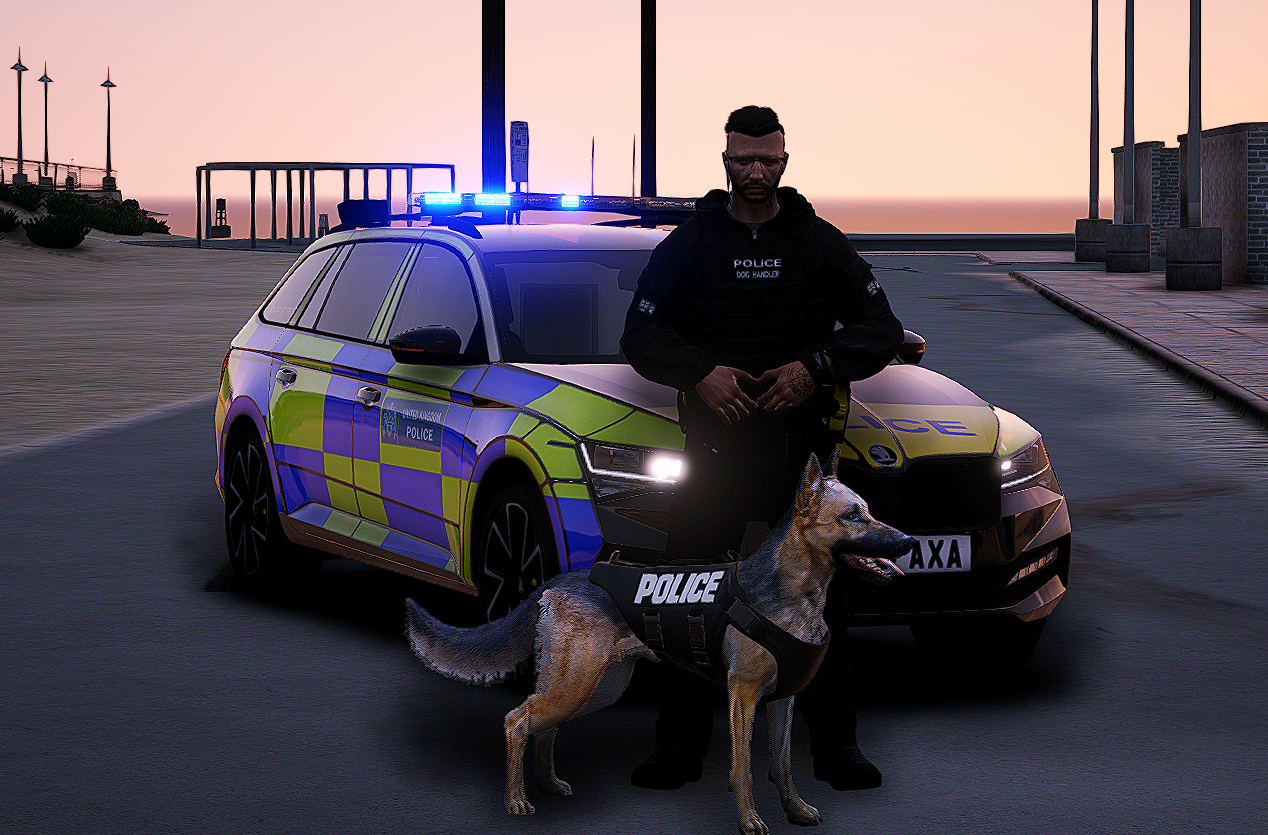
Police dogs can be trained for different specialist roles, allowing Dog Support Units to support many areas of policing.
Police dogs can assist officers when searching for people, property or other relevant items.
Specialist dogs may assist police searches for missing or vulnerable people.
Some police dogs are trained to detect particular substances or materials relevant to policing.
Dog handlers can support policing activity where a specialist dog capability may assist officers and help protect the public.
Trained dogs may assist officers in locating items that could be relevant to an investigation.
Dog Support Units can provide their specialist capabilities to other police departments when required.
Police dogs provide specialist capabilities that complement other forms of policing.
A police dog works closely with its trained handler.
Dogs and handlers undertake continuing training and assessment.
Dog handlers work alongside other police officers and specialist teams.
Working within a Dog Support Unit combines policing responsibilities with the care, training and professional handling of a specialist working animal. The role requires commitment, patience, teamwork and responsibility.
Dog Support Units can differ between police forces, including their structure, specialist capabilities and recruitment arrangements. For official information, consult the relevant police force.
No news has been published yet.
Commissioner
GX01 Collar Number 8928
Deputy Commissioner
GX02 Collar Number 6683
Assistant Commissioner
GX03 Collar Number 4190
Chief Superintendent
S1 Collar Number 8557
Superintendent
S2 Collar Number 5876
Chief Inspector
S3 Collar Number 2546


